Denver Metro Foreclosure Activity on the Rise — What It Means for Buyers, Sellers & Investors
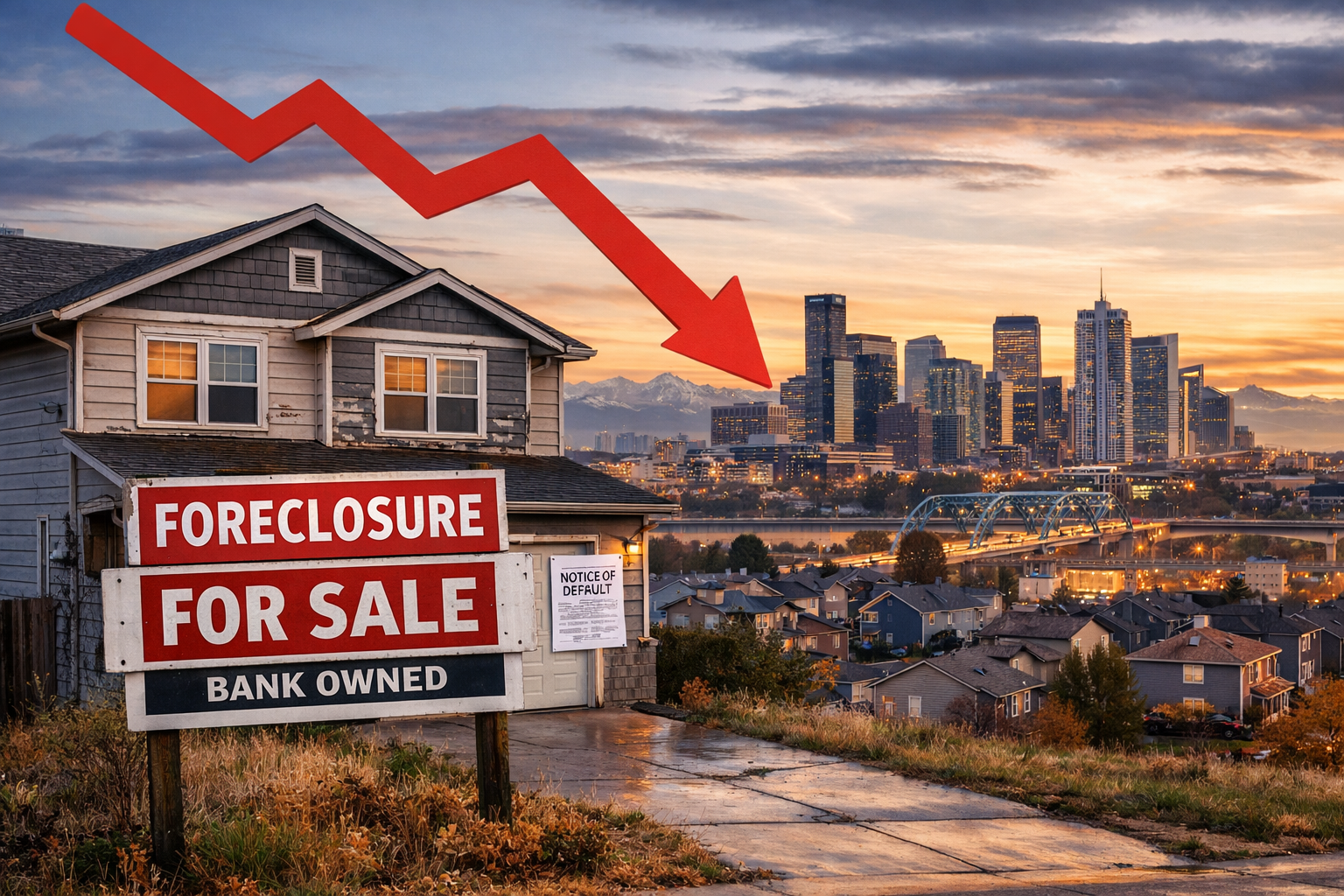
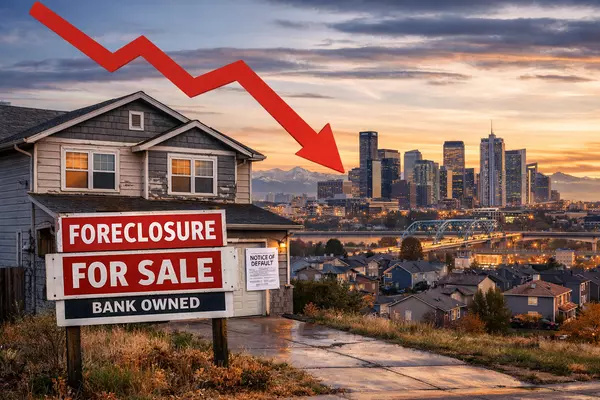
In 2025, foreclosure activity has quietly shifted from historically low levels toward a noticeable uptick — and that’s true here in the Denver metro area and its surrounding suburbs. While the overall market isn’t headed for a crisis, the change in trend is something every local buyer, seller, and investor should understand.
Foreclosure Activity Is Increasing, Even in Colorado
Across the U.S., foreclosure starts and completed foreclosures have been rising year-over-year for much of 2025, with recent data showing increases in both categories. Foreclosure starts were up roughly 17% compared with last year, and completed foreclosures rose about 26% as of late 2025. Most analysts describe this as a return toward more normalized market activity after pandemic-era lows rather than a resurgence of crisis-level distress.
In Colorado, broader reports indicate that foreclosure filings statewide have climbed, with filings up markedly compared with the previous year — figures show filings in the hundreds across the state, and Denver County consistently appearing among the counties where such filings occur.
What’s Driving Foreclosure Trends in the Denver Area?
Several local and regional dynamics are influencing the uptick in foreclosure activity:
▸ Continued Affordability Pressure
Higher mortgage rates and elevated living costs — from property taxes to utilities and insurance — are tightening household budgets, making it harder for some homeowners to keep pace with monthly mortgage obligations.
▸ Slowing Home Price Growth
Even as Denver’s average home values remain relatively strong, recent housing data shows a modest year-over-year dip in typical home values, and days on market gradually increasing — which reflects slower transaction activity overall.
▸ Normalization After Pandemic Protections
Much of the suppressed foreclosure activity over the past few years was tied to pandemic-era supports and lender forbearance programs. As those effects fade, filings have trended upward from the lows.
Where You’re Seeing Activity in Denver & Suburbs
In Denver County and nearby markets (Aurora, Lakewood, Arapahoe, Jefferson, Adams), foreclosure filings and distressed listings are increasingly visible in MLS data and county public trustee reports. While the absolute number of foreclosures remains modest compared with past housing downturns, the direction of change is clear: more properties are entering the process than we saw this time last year.
In surrounding suburbs — from Highlands Ranch and Littleton to Broomfield and Thornton — agents are reporting a gradual uptick in listings that started as distressed or short sale opportunities. These properties are often priced below market average and can move quickly once properly marketed.
What This Means for Buyers
For buyers who’ve been on the sidelines waiting for more inventory or better pricing, rising foreclosure and distressed activity can open opportunities:
-
Potentially lower entry prices — foreclosed properties often come to market below comparable traditional listings.
-
Less competition than during peak seller markets — even with a modest uptick, most foreclosures still draw fewer bidders than standard sales.
-
Diverse purchase paths — options include lender-owned properties (REOs), auctions, and negotiated short sales.
That said, buying distressed property often requires extra due diligence — inspection contingencies, title issues, and competitive cash offers can all factor into a successful purchase.
What This Means for Sellers
For traditional sellers in the Denver metro:
-
An uptick in foreclosures may slightly broaden available inventory, which can temper the most aggressive price growth — but only modestly.
-
Proper pricing and staging remain critical; buyers still expect move-in-ready homes in good condition.
-
With more competition from distressed properties, pricing your home right from the start is more important than ever.
For Investors
Investors actively tracking the Denver metro know that an increase in foreclosure activity can present opportunities:
-
Value-add properties priced below replacement cost.
-
Cash flow from rentals in areas with solid rent demand.
-
Arbitrage between distressed purchase and stabilization value.
Denver’s long-term growth fundamentals remain strong, making it a target market for value-focused investor strategies even as foreclosure activity rises.
Bottom Line
Foreclosure activity in Denver and surrounding suburbs is trending up compared with last year, but volumes remain far below historical highs. What we’re seeing is a market shifting back toward normalization — a place where distressed properties play a modest role in overall inventory, rather than a dominant one.
If you’re thinking about buying, selling, or investing in the Denver market, understanding how foreclosure trends intersect with broader housing conditions will help you make smarter decisions in 2026 and beyond.
Categories
Recent Posts